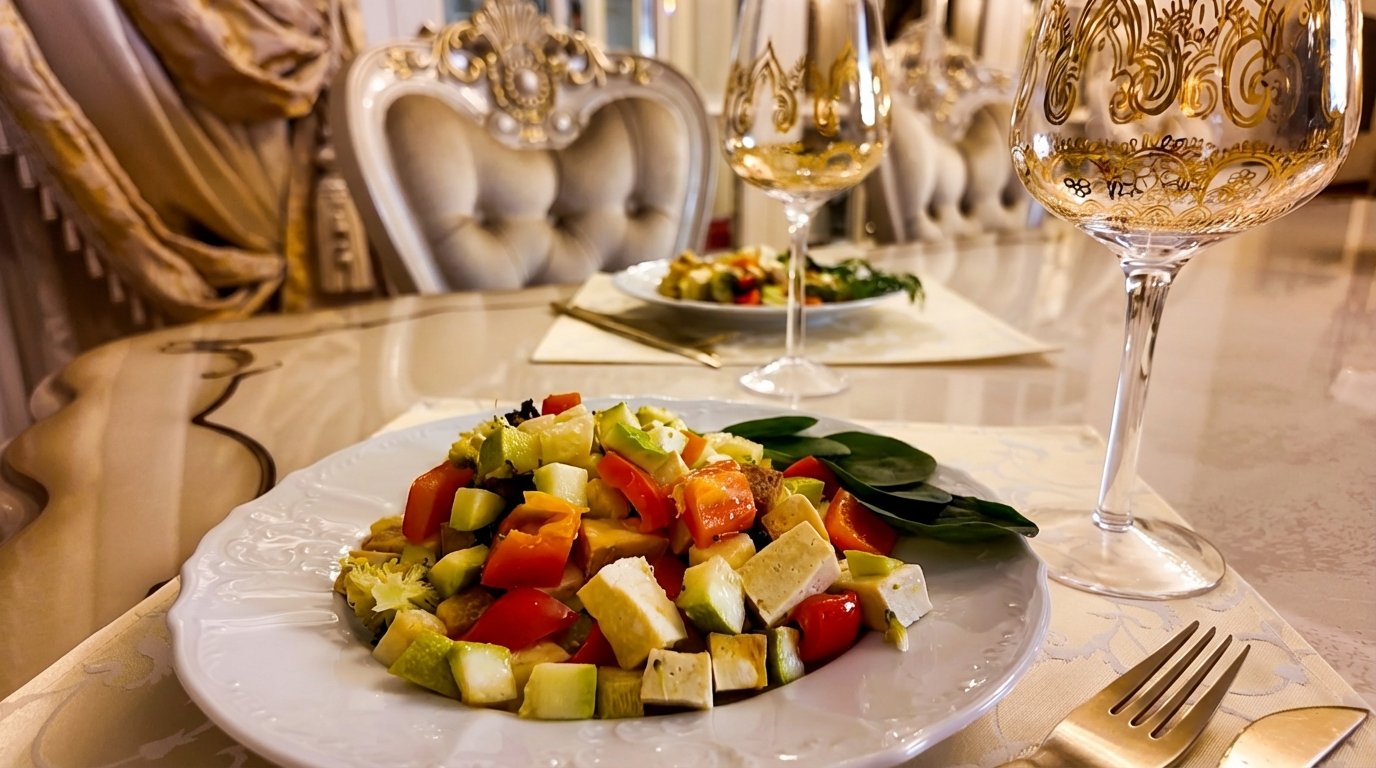
Baked Tofu and Vegetables — Anti-Inflammatory Recipe
TLDR
A 25-minute healthy tofu bake with broccoli, zucchini, red pepper, and garlic olive oil. Every ingredient is chosen for a specific function: tofu provides complete plant protein and isoflavones for brain health, broccoli supports detoxification, zucchini delivers antioxidants, and extra virgin olive oil protects the blood-brain barrier. At approximately 400 calories per serving, this is targeted anti-inflammatory nutrition that actually tastes good.
Why This Recipe Works (And Why Most Healthy Recipes Fail)
This healthy tofu bake is proof that anti-inflammatory food can be genuinely delicious. Most healthy recipes fail for one simple reason: they focus on what to remove — calories, fat, carbs — and forget to add flavor and function. This baked tofu and vegetable recipe does the opposite. Every ingredient is chosen for a specific reason: to protect your brain, reduce inflammation, support your metabolism, and still taste genuinely good.
This is not diet food. This is targeted nutrition that happens to be delicious.
Prep time: 10 minutes Cook time: 15 minutes Total time: 25 minutes Servings: 4 Calories per serving: approximately 400
What You Need — and Why Each Ingredient Is Here
Extra-firm tofu (400g) — the protein foundation of this dish. Tofu provides complete plant protein and isoflavones — compounds that support brain health. A 2025 study by Nakamoto et al. found that higher isoflavone intake is associated with reduced hippocampal volume loss — a direct protective effect on memory and cognitive function. Tofu is also linked to reduced LDL cholesterol and improved vascular function.
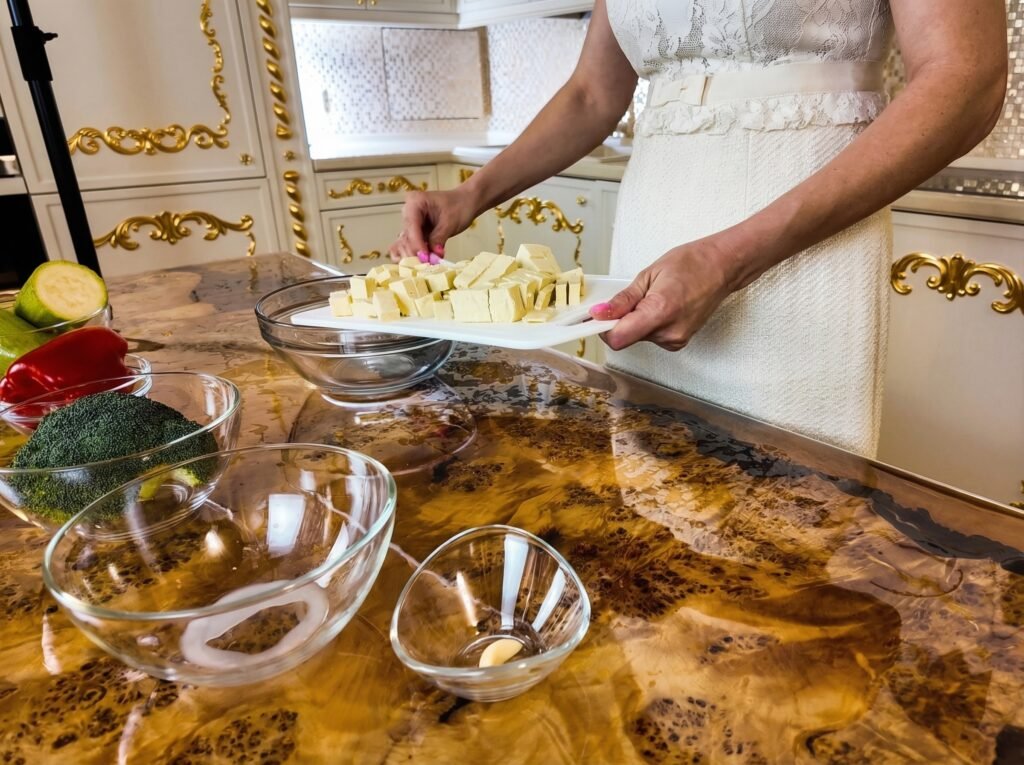
Broccoli (200g, cut into florets) — the detox layer. Cruciferous vegetables contain compounds — including sulforaphane — that bind environmental toxins and support their elimination from the body. Broccoli also delivers vitamin C, folate, and fiber, making it one of the most functional vegetables in any anti-inflammatory kitchen.
Zucchini (2 medium, cubed) — the antioxidant component. Zucchini is rich in carotenoids and antioxidants linked to lower cardiovascular disease risk. Its dietary fiber and phytosterols help reduce cholesterol absorption in the gut — fiber by slowing absorption, phytosterols by competing directly with cholesterol. At low calories and high volume, it also supports metabolic health.
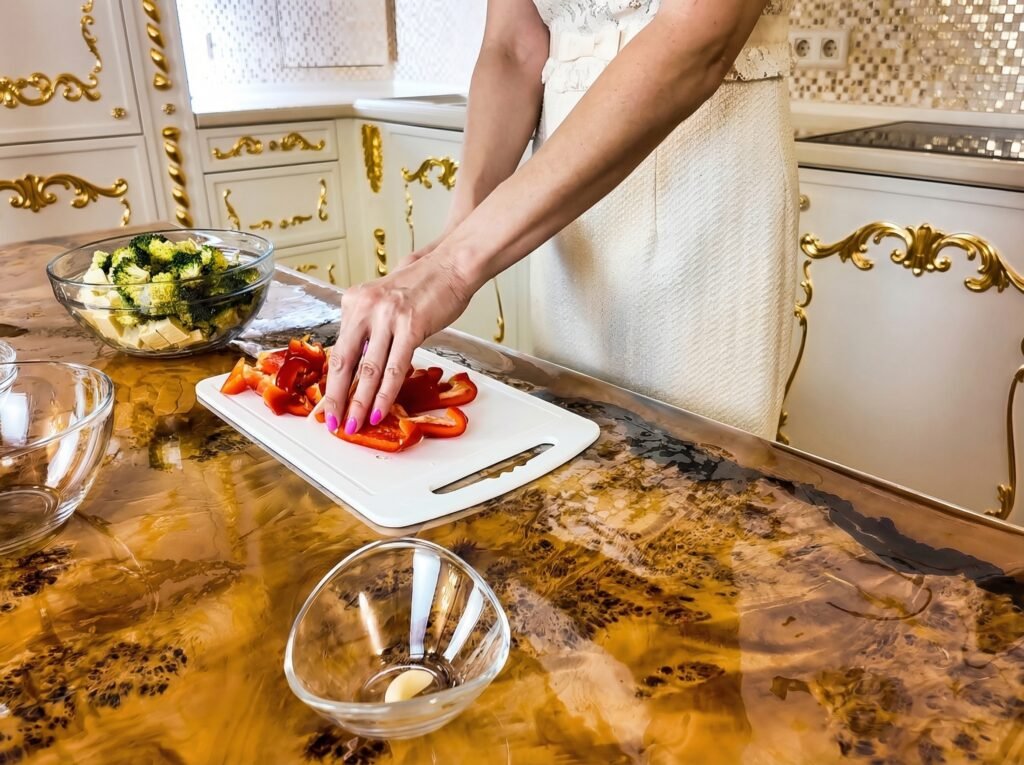
Red bell pepper (1 large, sliced) — color, crunch, and vitamin C. Red peppers are among the richest dietary sources of vitamin C and contain quercetin and beta-carotene — antioxidants that reduce oxidative stress, one of the primary drivers of cellular and neurological aging.
Extra virgin olive oil (3 tablespoons) — the brain protector. The monounsaturated fatty acids, polyphenols, and vitamin E in quality extra virgin olive oil work together to reduce LDL cholesterol, improve memory function, and strengthen the blood-brain barrier — the protective layer that shields neural tissue from toxins and inflammatory molecules. This is not optional in this recipe. It is the delivery mechanism for the garlic compounds and the foundation of the anti-inflammatory effect.
Garlic (4 cloves, minced) — the flavor and the medicine. Garlic contains allicin and organosulfur compounds with documented anti-inflammatory and antimicrobial properties. Blended with olive oil, it infuses the entire dish with both depth of flavor and biological function.
Salt and black pepper — to taste.
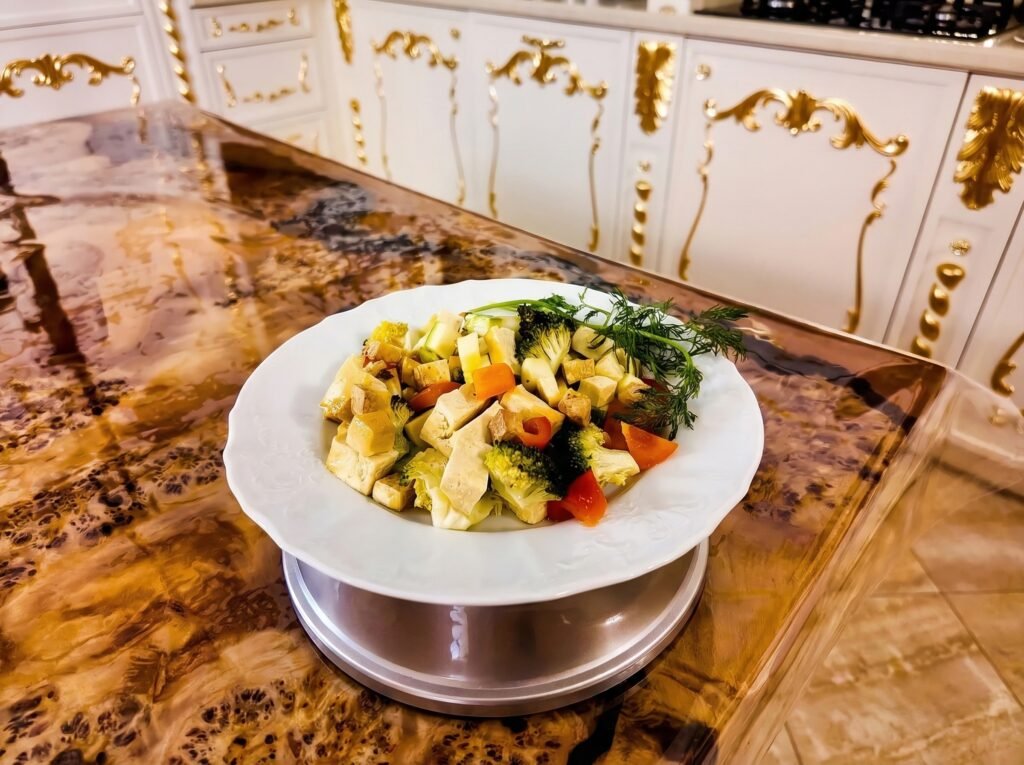
Baked Tofu and Vegetables with Garlic Olive Oil
Ingredients
Method
- Press the tofu for at least 5 minutes to remove excess moisture. Cut into 2cm cubes and set aside.
- Cut the broccoli into small florets. Cube the zucchini into similar-sized pieces. Slice the red pepper into strips.
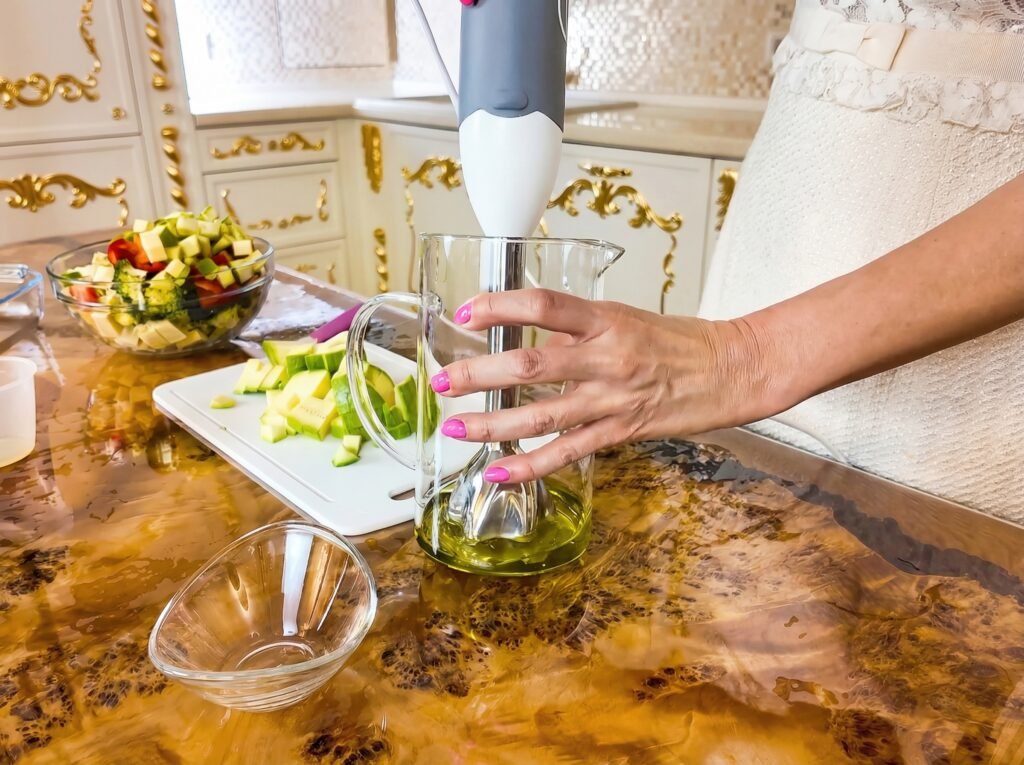
- Mince the garlic finely and combine with the extra virgin olive oil. Let it sit for 2-3 minutes to activate the allicin compounds.
- In a large bowl, combine the tofu, broccoli, zucchini, and red pepper. Pour the garlic olive oil over everything and toss to coat evenly. Season with salt and black pepper.
- Spread in a single layer on a lined baking tray. Bake at 200°C (400°F) for 15 minutes, turning once halfway through, until edges are golden and broccoli is slightly crisp.
- Serve immediately over brown rice, black rice, or quinoa — or as a standalone dish.
Want to Understand the Science Behind This?
If you want to know exactly what an anti-inflammatory diet looks like — and why it matters after 50 — watch this video. It breaks down the core principles in just a few minutes:
Or read the full guide here: What Is an Anti-Inflammatory Diet? A Science-Based Guide
Nutrition Per Serving (approximate)
Calories: 400 | Protein: 18g | Carbohydrates: 22g | Fat: 16g | Fiber: 6g
FAQ
Can I use silken tofu instead of firm tofu? For this recipe, extra-firm tofu works best — it holds its shape during baking and develops a better texture. Silken tofu is too soft and will break down.
Can I make this ahead of time? Yes. Roasted vegetables and tofu keep well in the fridge for up to 3 days. Reheat in the oven at 180°C for 5–7 minutes to restore texture.
Is this recipe suitable for a Mediterranean diet? Yes. Olive oil, vegetables, and plant protein are all core components of the Mediterranean dietary pattern — the most research-supported anti-inflammatory diet in the world.
What can I serve this with? Brown rice, black rice, or quinoa pair well. For a lower-carb option, serve over a bed of leafy greens.
Why is extra virgin olive oil important — can I substitute another oil? The anti-inflammatory effect comes specifically from the polyphenols in extra virgin olive oil — particularly oleocanthal. Refined oils do not contain these compounds. For this recipe, quality extra virgin olive oil is not interchangeable.
Disclaimer
This recipe and the nutritional information provided are for general educational purposes. Individual nutritional needs vary. If you have a medical condition or dietary restrictions, consult your healthcare provider.
Sources
- Lopez-Chillon MT, et al. Effects of long-term consumption of broccoli sprouts on inflammatory markers. Food Funct. 2018. PMID: 29573889
- Nakamoto M, et al. Isoflavone intake is associated with longitudinal changes in hippocampal volume. Eur J Nutr. 2025. https://link.springer.com/article/10.1007/s00394-025-03664-3
- Aune D, et al. Dietary intake and blood concentrations of antioxidants and risk of cardiovascular disease. Am J Clin Nutr. 2018. PMID: 30475962
- Kaddoumi A, et al. Extra-virgin olive oil enhances the blood-brain barrier function in mild cognitive impairment. Nutrients. 2022. PMID: 36501136