7 Things That Happen to Your Body When You Switch to Red Rice
TLDR
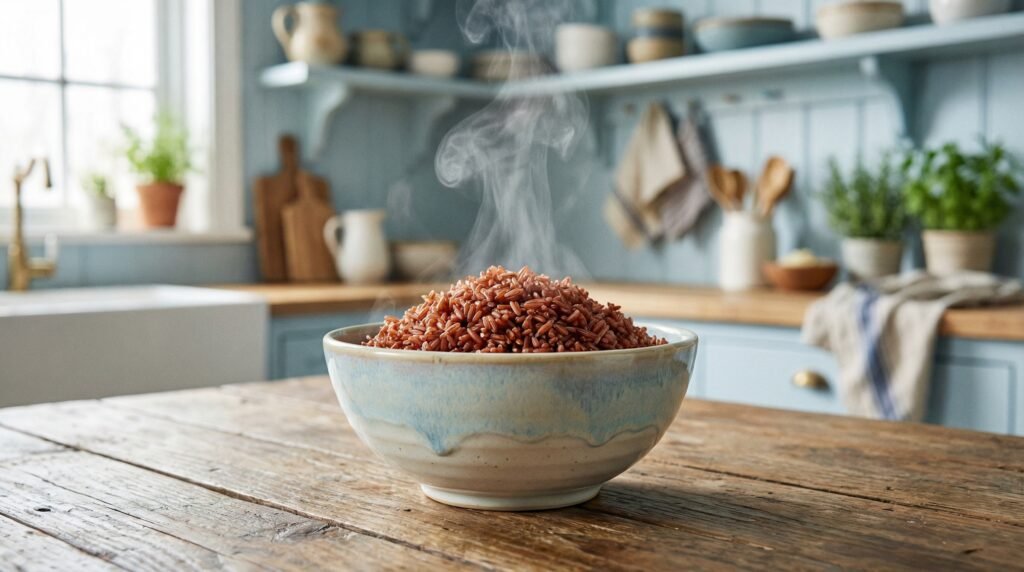
Red rice vs white rice — the difference is far greater than color. Red rice is nutritionally distinct from white rice in ways that matter specifically after 45. It has a lower glycemic index, contains compounds that reduce inflammation at the cellular level, supports gut health, and may help protect the heart — all backed by peer-reviewed research. The switch is simple. The difference is real.
Most people assume rice is rice. The color changes, but the nutrition doesn’t — or so the thinking goes. In reality, red rice and white rice are fundamentally different foods, and understanding those differences matters more as we get older.
Here are seven things that research suggests actually happen in your body when you make the switch.

1. Your Blood Sugar Stays More Stable
White rice has a glycemic index of 70–85, which means it digests quickly and causes a rapid rise in blood sugar, followed by a drop that leaves you hungry again within an hour or two.
Red rice has a glycemic index of approximately 55–65 — solidly in the moderate range, comparable to whole grain bread. The difference comes not just from fiber, but from specific compounds in the red outer layer that slow the breakdown of carbohydrates during digestion. This is particularly relevant for women over 45, when insulin sensitivity naturally begins to decline.
2. You Feel Full — and Stay Full
Red rice contains 2 to 3.5 grams of fiber per 100g cooked — two to four times more than white rice. That fiber slows digestion, delays the emptying of the stomach, and helps maintain a steady sense of fullness. Combine that with a moderate glycemic index, and you have a grain that simply keeps you satisfied longer.
The result: smaller portions feel like enough, and the urge to snack between meals decreases naturally.
3. Inflammation in Your Body Begins to Quiet Down
The red color of red rice comes from its outer bran layer, which is rich in a class of compounds called proanthocyanidins. These are powerful plant-based anti-inflammatories that work by blocking specific signaling pathways in the body — the same pathways involved in chronic low-grade inflammation that underlies joint stiffness, fatigue, and many age-related conditions.
A 2016 laboratory study found that red rice extract significantly reduced levels of key inflammatory markers, including TNF-α, IL-6, and COX-2 — the same targets addressed by common anti-inflammatory medications.
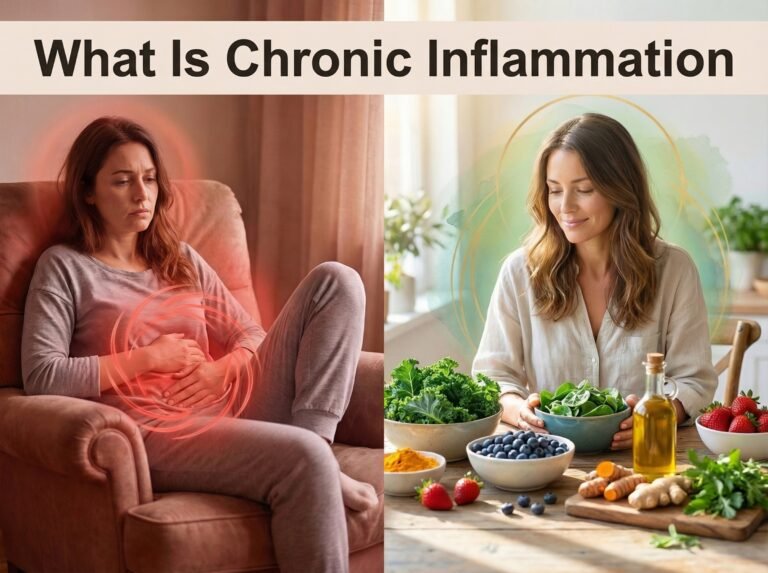
This doesn’t happen overnight. But over weeks of consistent consumption, many people notice that morning stiffness eases and overall heaviness in the body decreases. To understand why chronic inflammation matters so much after 45, read this overview.
4. Your Skin Becomes Clearer
Skin issues in midlife are frequently connected to blood sugar and insulin fluctuations. When insulin spikes repeatedly — as it does after high-glycemic foods like white rice — it triggers a cascade of hormonal changes that can contribute to inflammation in the skin, uneven tone, and dullness.
By replacing white rice with red rice and its lower glycemic index, you reduce those spikes. Over time, many women notice that their skin looks calmer, clearer, and more even — not because of any topical treatment, but because of what changed on the plate.
5. A Calmer Evening — Naturally
Red rice contains GABA — gamma-aminobutyric acid — a naturally occurring compound that functions as the brain’s primary calming signal. It’s the same neurotransmitter that helps the nervous system slow down, reduces anxiety, and supports better sleep.
The GABA content in red rice is modest in standard cooked form, but increases significantly in sprouted red rice. For anyone managing stress, low-level anxiety, or difficulty winding down in the evening, red rice is worth paying attention to — not as a supplement, but as a whole food with a gentle, cumulative effect.
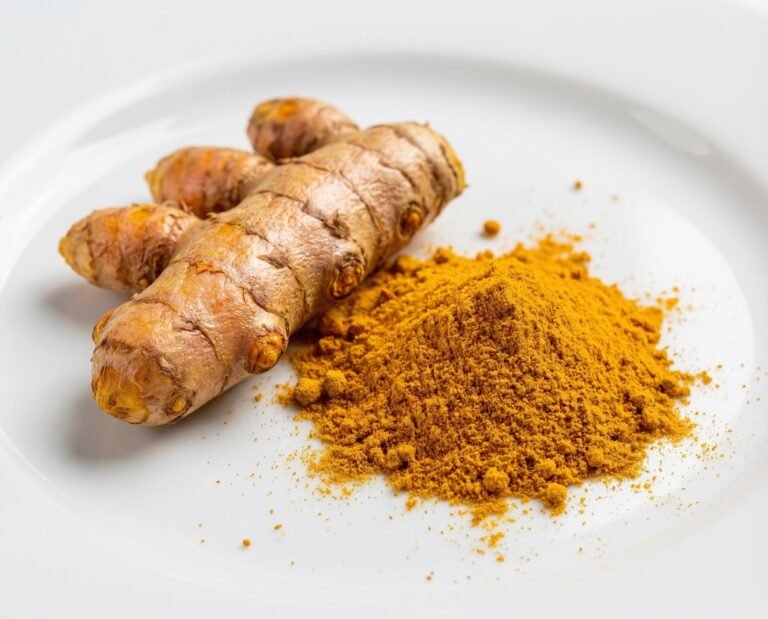
For another ingredient with similar anti-inflammatory properties, see our guide on turmeric and inflammation.

6. Your Liver Gets Some Support
Red rice contains a compound called gamma-oryzanol, found almost exclusively in rice and particularly concentrated in the red variety. Among its several functions, gamma-oryzanol supports liver health by helping regulate fat metabolism and protecting liver cells from stress.
It also appears to reduce cravings for high-fat foods by influencing dopamine receptors in the brain — which may partly explain why people who switch to red rice often report feeling less drawn to heavy, fatty foods over time.
7. Your Heart Gets an Extra Layer of Protection
The anthocyanins in red rice — the pigment compounds responsible for its color — have been studied specifically for cardiovascular effects. In a randomized controlled trial involving 60 patients with coronary artery disease over six months, a rice pigment fraction significantly increased antioxidant capacity in the blood and reduced two key markers of vascular inflammation: VCAM-1 and CRP.
After 45, protecting the arterial walls becomes one of the most important things we can do through diet. Red rice offers a practical, food-based way to contribute to that protection daily.
One Important Detail: How to Prepare It
To get the most from red rice, preparation matters.
Soak it before cooking — ideally for 8 to 12 hours, or at minimum 30 minutes. Red rice contains phytic acid, a naturally occurring compound that can bind to minerals like iron and zinc and reduce their absorption. Soaking significantly reduces phytic acid and makes the nutrients in the grain more available to the body.
One more note: red rice sold in grocery stores as a whole grain is completely different from “red yeast rice” sold in pharmacies as a supplement. The supplement contains a compound that acts similarly to a statin and is not the same as eating the grain. When we talk about red rice here, we mean the whole food.
FAQ
Is red rice healthier than white rice?
Yes, in meaningful ways. Red rice retains its outer bran layer, which white rice loses during milling. That bran layer contains fiber, antioxidants, B vitamins, magnesium, and iron — all of which are largely absent in white rice. Red rice also has a lower glycemic index (55–65 vs. 70–85 for white rice), which means it causes a slower, more gradual rise in blood sugar. For adults over 45, this difference is particularly relevant.
Is red rice better than white rice for weight loss?
It supports weight management better than white rice, yes. The higher fiber content promotes satiety, and the lower glycemic index reduces the blood sugar spikes that trigger cravings and overeating. Red rice won’t cause weight loss on its own, but as part of a balanced diet it helps you feel full longer and eat less overall.
Which is healthier — red rice or brown rice?
Both are whole grains and far more nutritious than white rice. Brown rice has a longer research history and is widely recommended. Red rice has a comparable nutritional profile but contains higher concentrations of specific antioxidants — particularly proanthocyanidins and anthocyanins — that give it an advantage in anti-inflammatory and cardiovascular protection. For general health, either is an excellent choice. If antioxidant content is the priority, red rice has the edge.
Which is better for weight loss — red rice or brown rice?
They are comparable. Both have similar fiber content, moderate glycemic index, and satiety-supporting properties. The practical difference is small. Choose whichever you enjoy eating — consistency matters more than which whole grain you pick.
Which is better for diabetics — red rice or brown rice?
Both are significantly better than white rice for blood sugar management. Red rice may have a slight advantage because its anthocyanins directly inhibit enzymes involved in carbohydrate digestion, which further slows glucose absorption. However, both are appropriate choices. Portion size remains important regardless of rice variety. Always consult your physician for personalized dietary guidance.
Which is better — red rice or black rice?
Black rice has the highest antioxidant content of all rice varieties, primarily due to its very high anthocyanin concentration. Red rice is second. For anti-inflammatory and cardiovascular benefits, black rice is technically the most potent. Red rice, however, is more widely available, milder in flavor, and easier to cook with. Both are excellent whole grain choices.
Which color rice is healthiest?
In terms of antioxidant and anti-inflammatory content, the ranking from research is: black rice → red rice → brown rice → white rice. Black and red rice have the most concentrated phytonutrient profiles. White rice, while fine in moderation, has lost most of its nutritional value through processing.
What rice won’t spike blood sugar?
Any whole grain rice with a lower glycemic index is a better choice than white rice. Red rice (GI ~55–65), brown rice (GI ~50–55), and black rice are all moderate-GI options. Cooking method also matters: cooling cooked rice before eating increases its resistant starch content, which further lowers the glycemic response.
Is it okay to eat red rice every day?
For most healthy adults, yes. Red rice is a nutritious whole grain and a natural part of many traditional diets across Asia. A reasonable daily or near-daily portion (around 100–150g cooked) fits well within a balanced diet. One practical note: like all rice, red rice contains trace amounts of arsenic, so it is wise to vary your grains rather than relying on any single grain exclusively.
What is the disadvantage of red rice?
Red rice contains phytic acid — a naturally occurring compound that can reduce the absorption of minerals like iron, zinc, and calcium. Soaking red rice for 8–12 hours before cooking significantly reduces phytic acid content. Red rice also takes longer to cook than white rice (30–40 minutes) and has a chewier texture that takes some getting used to. It is also more expensive and less widely available than white or brown rice.
Who should not eat red rice?
Red rice as a whole grain food is safe for most people. It is naturally gluten-free and suitable for most dietary needs. People with certain digestive conditions who are on a low-fiber diet should consult their doctor before significantly increasing fiber intake. Note: red yeast rice (a fermented supplement) is a completely different product and has specific contraindications — do not confuse the two.
Red rice — good or bad?
Good, for most people. It is a nutritious whole grain with well-documented antioxidant, anti-inflammatory, and cardiovascular benefits. It supports blood sugar stability, gut health, and satiety better than white rice. Like any food, it works best as part of a varied, balanced diet — not as a miracle solution on its own.

Disclaimer
This article is for informational purposes only and does not constitute medical advice. The information provided is based on published research and is intended for general educational purposes. Always consult your physician or a qualified healthcare provider before making significant changes to your diet, especially if you have a diagnosed health condition such as diabetes, cardiovascular disease, or kidney disease.
Sources
- Goufo P., Trindade H. Rice antioxidants: phenolic acids, flavonoids, anthocyanins, proanthocyanidins, tocopherols, tocotrienols, γ-oryzanol, and phytic acid. Food Science and Nutrition. 2014;2(2):75–104. https://pubmed.ncbi.nlm.nih.gov/24804068/
- Limtrakul P. et al. Anti-inflammatory effects of proanthocyanidin-rich red rice extract via suppression of MAPK, AP-1 and NF-κB pathways. Nutrition Research and Practice. 2016;10(3):251–258. https://pubmed.ncbi.nlm.nih.gov/27247720/
- Tantipaiboonwong P. et al. Protective effect of red rice extract rich in proanthocyanidins in a murine colitis model. Nutrients. 2023. https://pmc.ncbi.nlm.nih.gov/articles/PMC9953176/
- Khoo H.E. et al. Anthocyanins and cardiovascular health. Food & Function. 2024;15(7):3274–3299. https://pubmed.ncbi.nlm.nih.gov/38482946/
- Atkinson F.S. et al. The glycemic index of rice and rice products: a review, and table of GI values. Critical Reviews in Food Science and Nutrition. 2015. https://pubmed.ncbi.nlm.nih.gov/25590950/
- USDA FoodData Central. Red rice, cooked. https://fdc.nal.usda.gov/